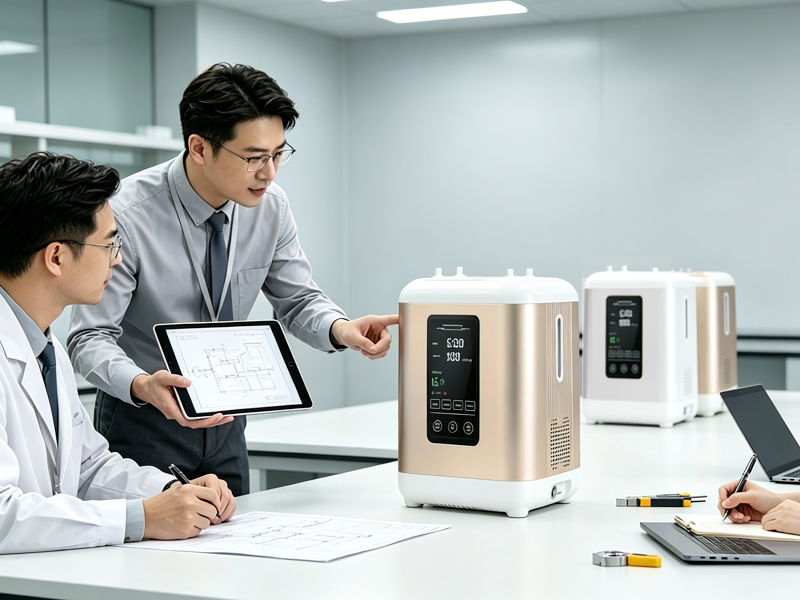
Hydrogen is widely known as an important part of the global transition toward cleaner energy, but its applications are not limited to industrial energy systems. Advances in water electrolysis and SPE/PEM technology are also supporting the development of a growing range of hydrogen-related products for home, wellness, healthcare-related, and professional environments.
For international distributors, wholesalers, private-label brands, and project buyers, this creates an interesting connection between hydrogen energy, new energy technology, and health-oriented products. Products such as hydrogen water bottles, hydrogen-oxygen machines, hydrogen inhalation equipment, and other PEM-based devices are becoming part of a broader hydrogen technology market.
However, buyers entering this field need to separate product technology from health marketing. Hydrogen equipment should be evaluated according to its technical specifications, intended application, quality, customization possibilities, and applicable market requirements rather than relying on unsupported medical claims.
This guide explains the key considerations for overseas buyers interested in hydrogen health products and related SPE/PEM solutions.
1. How Hydrogen Energy Technology Is Expanding into Consumer Products
Hydrogen has traditionally been associated with energy production, storage, transportation, and industrial applications. Today, some of the same underlying technologies are also being developed into smaller hydrogen products for consumers and professional users.
One important example is water electrolysis.
SPE/PEM electrolysis technology can use purified water as part of a system for hydrogen generation. By integrating the electrolysis system with electronic controls, water management, product housings, displays, and other components, manufacturers can develop hydrogen equipment in different sizes and configurations.
This has helped create several product categories beyond traditional industrial hydrogen systems.
Portable hydrogen water bottles provide a compact format for hydrogen-related water applications. Hydrogen-oxygen machines integrate hydrogen generation with intelligent controls for different use scenarios. Higher-flow hydrogen inhalation equipment can be developed for projects requiring different gas-output configurations.
For B2B buyers, the important point is that these products share a hydrogen technology foundation while serving different markets.
A buyer should therefore start with the intended application and then determine which product configuration is suitable rather than treating all hydrogen products as interchangeable.
2. Hydrogen Products for Home and Wellness Markets
Home and personal wellness represent important application directions for hydrogen technology products.
In these markets, buyers often look for products that combine technology with convenient operation, compact design, and a consumer-friendly appearance. Hydrogen water bottles and selected hydrogen generation devices can fit into this category.
Professional wellness environments may have different requirements.
Beauty salons, spa centers, wellness centers, clinics, distributors of wellness equipment, and other professional buyers may be more interested in larger equipment, different gas-flow configurations, extended operating requirements, or products that can be integrated into their existing service environment.
This difference is important when sourcing.
A product designed for individual home use should not automatically be treated as the correct solution for a professional facility. Likewise, equipment with higher technical specifications may be unnecessary for a simple consumer application.
Overseas buyers should provide the manufacturer with basic information about their target customers, intended application, expected operating environment, and required specifications.
This allows the supplier to discuss a more appropriate product configuration.
It also helps buyers create clearer product positioning. Instead of marketing one machine for every possible scenario, distributors can build separate product lines for home, wellness, professional, or project-based applications.
3. Be Careful with Medical and Health Claims
One of the most important considerations in the hydrogen health products market is how the products are described.
Hydrogen technology can be associated with wellness and healthcare-related environments, but that does not automatically make every hydrogen device a medical device. It also does not mean that a supplier or distributor should make claims about treating, preventing, or curing diseases without appropriate evidence and regulatory authorization.
For international buyers, this distinction is especially important because product classification and marketing requirements can vary by country.
Before importing or distributing a hydrogen product, buyers should determine how the product will be classified in the destination market and what claims can legally be made.
Marketing language should match the product’s actual documentation, testing, certification, and intended use.
This is particularly relevant for products such as hydrogen inhalation equipment. Buyers should avoid building a sales strategy around unsupported therapeutic promises simply because the product is used in a wellness-related setting.
A more sustainable B2B approach is to focus on measurable product information: electrolysis technology, gas configuration, operating functions, materials, electrical specifications, product design, customization, and intended application.
For buyers targeting medical or clinical channels, regulatory review should become part of the sourcing process from an early stage.
4. Why SPE/PEM Technology Matters to Product Buyers
When evaluating hydrogen-related equipment, overseas buyers should look beyond exterior design.
The hydrogen generation system is one of the core elements of the product.
SG focuses on hydrogen technology products based on SPE/PEM water electrolysis, including hydrogen water bottles, hydrogen-oxygen machines, hydrogen-related inhalation equipment, and PEM-based development projects.
For buyers, the PEM system should be evaluated as part of the complete product architecture.
The electrolysis module needs to work together with the electronic control system, PCB, water-related components, internal structure, display, housing, accessories, and other parts of the machine.
This becomes increasingly important as product requirements become more complex.
For example, a buyer requesting a different gas-flow configuration may require more than a simple component change. Modifying product dimensions can affect the internal layout. A new control interface may involve PCB and electronic development. Different operating environments may also require additional engineering consideration.
When comparing suppliers, buyers should therefore ask not only “What PEM technology do you use?” but also “How do you integrate and develop the complete product?”
The answer can provide useful insight into the supplier’s engineering capabilities.
5. OEM and ODM Opportunities for International Buyers
The hydrogen products market is still developing, which creates opportunities for distributors and private-label brands to differentiate their product offerings.
OEM and ODM customization can play an important role in this process.
Depending on the project, customization can involve appearance, structure, dimensions, colors, logos, PCB functions, display interfaces, voltage and plug options, accessories, packaging, instructions, and other confirmed requirements.
More extensive projects can also involve private molds and engineering development.
For international wholesalers, this means an existing hydrogen product can potentially be adapted to better match local market preferences. A distributor may require different packaging and electrical standards, while a private-label brand may want a distinctive appearance and interface.
Buyers should prepare a clear project brief before starting customization.
Useful information includes the target market, intended application, reference product, required specifications, estimated order quantity, branding requirements, electrical standards, packaging requirements, and desired functions.
Clear requirements help the manufacturer evaluate what can be achieved through simple customization and what requires additional product development.
They also make quotations more meaningful because both sides are discussing the same project scope.
6. What Overseas Buyers Should Check Before Ordering
Sourcing hydrogen health products requires both commercial and technical evaluation.
First, confirm the intended application. Determine whether the product will be sold for home, personal wellness, professional, commercial, or another specific use.
Next, review the product configuration. Ask about SPE/PEM technology, gas output where applicable, operating controls, water requirements, voltage, plug options, accessories, and other relevant specifications.
Customization should also be discussed early. If you require private labeling, new packaging, different electronics, structural modifications, or private-mold development, explain these requirements before requesting a final quotation.
Sample evaluation is another important step.
A sample gives the buyer an opportunity to review appearance, dimensions, functions, controls, accessories, packaging, and other agreed product details before committing to larger quantities. More complex OEM/ODM projects may require several development and confirmation stages.
Finally, buyers should consider destination-market requirements.
Electrical standards, labeling, product classification, certification, instructions, and permitted marketing claims can differ between countries. These requirements should be confirmed according to the market where the product will actually be sold.
This is particularly important when hydrogen products are positioned near healthcare or medical channels.
Hydrogen Technology Creates New Opportunities for Global Buyers
The connection between hydrogen energy, new energy technology, and health-oriented products is creating new possibilities for international B2B markets. SPE/PEM water electrolysis technology can support product categories ranging from portable hydrogen water bottles to hydrogen-oxygen machines and higher-flow hydrogen generation equipment.
For distributors and wholesalers, the opportunity is not simply to follow a new product trend. The greater value lies in selecting products that fit a clearly defined market and working with suppliers capable of supporting technical communication, customization, and product development.
Buyers should evaluate hydrogen health products based on their actual technology, specifications, intended applications, engineering support, and local compliance requirements. Medical and therapeutic claims should be treated carefully and should never replace proper product evaluation or applicable regulatory review.
SG focuses on SPE/PEM-based hydrogen technology products and supports standard products as well as OEM, ODM, and customized hydrogen projects. For buyers planning a new hydrogen product line, providing clear information about the target market, application, required specifications, expected quantity, and customization needs is the best starting point for identifying a suitable solution.