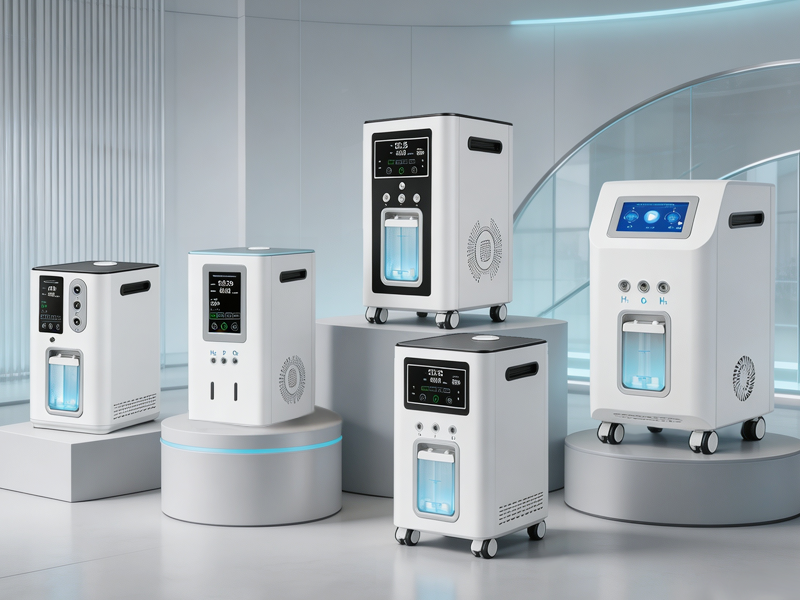
As hydrogen technology develops across international markets, distributors, wellness equipment suppliers, private-label brands, and project buyers are looking for hydrogen equipment that can support a wider range of application requirements. Among these products, Ultra-Flow Hydrogen Inhalers are designed for projects that require higher gas-flow configurations and more flexible product specifications.
For overseas buyers, choosing an ultra-flow hydrogen inhaler is not simply a matter of selecting the model with the highest flow rate. The hydrogen generation technology, gas configuration, electrical system, product structure, operating controls, safety design, customization requirements, and supplier engineering capabilities should all be considered before placing an order.
This guide explains the main factors importers, wholesalers, distributors, and OEM/ODM buyers should evaluate when sourcing Ultra-Flow Hydrogen Inhalers.
1. What Are Ultra-Flow Hydrogen Inhalers?
Ultra-Flow Hydrogen Inhalers are hydrogen generation systems developed for applications where higher gas-flow configurations are required compared with smaller standard hydrogen inhalation equipment.
Depending on the product and project requirements, these machines may differ in hydrogen output, gas configuration, operating controls, display interface, product dimensions, internal structure, accessories, and other specifications.
For a B2B buyer, the first step is therefore to define the intended application rather than simply asking for the “largest” model.
A distributor may need several models to create a complete product range. A private-label buyer may prefer one main platform that can be customized for different markets. A project buyer may have specific requirements for flow, operating time, dimensions, electrical standards, or installation conditions.
The target user environment also matters. A product intended for home or personal use may have different priorities from equipment selected for wellness centers, commercial facilities, or customized projects.
Before requesting a quotation, buyers should provide the supplier with as much project information as possible. This makes it easier to determine which configuration is appropriate and whether an existing model or customized solution is more suitable.
2. Why SPE/PEM Technology Is Important
The hydrogen generation system is at the center of an Ultra-Flow Hydrogen Inhaler.
SG develops hydrogen products based on SPE/PEM water electrolysis technology, using purified water for hydrogen generation. PEM-related technology is also used across the company’s hydrogen product development and customized projects.
For international buyers, the electrolysis system should be evaluated together with the complete machine rather than as an isolated component.
Higher-flow equipment can involve additional considerations relating to the PEM system, internal layout, electronic controls, water system, heat management, operating conditions, and overall product design. These elements need to work together as one complete system.
When communicating with a potential supplier, B2B buyers should discuss the required gas flow, intended operating conditions, water requirements, control functions, and other important technical specifications.
It is also useful to ask how the machine is assembled and tested before shipment.
This type of technical communication can help buyers understand whether the supplier is simply offering an existing product or has the engineering knowledge required to support future modifications and customized projects.
3. Match Gas Flow and Configuration to the Project
One of the most important decisions when sourcing Ultra-Flow Hydrogen Inhalers is selecting an appropriate configuration.
Higher numbers do not automatically mean a better purchasing decision. The correct configuration should be based on the actual application, target market, product positioning, and buyer requirements.
Before confirming a model, buyers should consider questions such as:
What gas-flow configuration is required? Where will the equipment be used? What operating controls are needed? Does the market require a specific voltage or plug? Are there restrictions on product dimensions? What accessories are required? Is the buyer looking for an existing model or a private-label product?
Environmental and regional differences may also affect project requirements.
Products supplied to different countries can require different electrical standards, plugs, packaging languages, operating instructions, interfaces, and accessories. Commercial buyers may also have their own requirements for appearance and installation.
For this reason, professional sourcing should begin with a clear specification list.
If the project requirements are still being developed, buyers can share their intended application and target market first. The supplier can then discuss suitable product options based on the available information.
This is generally more effective than choosing a machine from photos alone.
4. Consider OEM and ODM Customization Requirements
Customization is an important part of many B2B hydrogen equipment projects.
Some buyers only need simple private-label modifications, while others want to develop a more differentiated Ultra-Flow Hydrogen Inhaler for their market.
Depending on the confirmed project requirements, customization discussions may cover product appearance, structure, dimensions, colors, logos, PCB functions, display interfaces, program functions, voltage and plug options, gas-flow configurations, PEM-related components, accessories, packaging, and instructions.
Private-mold development can also be discussed when a buyer requires a more distinctive product structure or appearance.
For wholesalers and distributors, this flexibility makes it possible to build a product range around different customer groups. For established brands, deeper OEM/ODM development can help create products that are more consistent with existing branding and market positioning.
However, customization should always begin with clear requirements.
Buyers should prepare information such as expected specifications, target application, reference products, required functions, estimated order quantity, destination market, branding requirements, and expected development schedule.
The clearer the initial project information is, the easier it becomes for both sides to evaluate feasibility and reduce unnecessary revisions.
5. Evaluate Engineering, Testing, and Project Support
When comparing suppliers of Ultra-Flow Hydrogen Inhalers, product price should not be the only factor.
Higher-flow hydrogen equipment can require coordination across several engineering areas. A supplier’s ability to support industrial design, structural engineering, electronics and PCB development, and PEM/electrolysis technology can therefore be important for customized projects.
SG’s product development capabilities cover these engineering disciplines, while design, assembly, and testing can be coordinated internally. This provides a practical foundation for projects that need more than simple logo customization.
For example, changing the exterior dimensions can affect the internal structure. Modifying the display or operating functions may require PCB or program changes. Different gas-flow requirements can involve changes to the overall system configuration.
These changes need to be evaluated together.
Overseas buyers should therefore ask potential suppliers how samples are developed, how technical requirements are confirmed, what testing is carried out, and how changes are managed before mass production.
This becomes especially important for importers planning long-term distribution or buyers developing their own hydrogen equipment brands.
A supplier with engineering and testing capabilities can provide more useful support when a project evolves beyond an existing standard model.
6. Confirm Samples and Specifications Before Bulk Orders
Sample confirmation is an important part of B2B sourcing, particularly for customized hydrogen equipment.
Before moving to bulk production, buyers should review the product against the agreed requirements. Depending on the project, this may include the exterior design, dimensions, gas configuration, control interface, voltage, plug, accessories, branding, packaging, instructions, and other confirmed functions.
For more complex projects, development may include concept discussion, structural design, sample preparation, testing, revisions, private-mold development, and production preparation.
Keeping a clear record of the approved specifications can help avoid misunderstandings later.
For private-mold projects, SG’s current project information indicates a minimum order quantity starting from 50 units, with the exact requirement depending on the product and customization scope. Buyers considering this type of development should therefore discuss both technical requirements and expected order quantities early in the project.
It is also helpful to establish an approved sample or specification document before mass production. This gives both the buyer and supplier a consistent reference for subsequent orders.
For international wholesalers and distributors, a structured confirmation process can make future repeat orders easier to manage.
Choosing the Right Ultra-Flow Hydrogen Inhaler Supplier
Sourcing Ultra-Flow Hydrogen Inhalers requires more than comparing flow rates and unit prices. Overseas buyers should consider the complete product and project requirements, including SPE/PEM technology, gas configuration, electrical standards, operating functions, customization options, engineering capabilities, sample development, testing, and production support.
For standard purchasing, a suitable existing configuration may provide the most efficient route to market. For distributors, private-label brands, and project buyers with more specific requirements, OEM/ODM development can provide greater flexibility in product appearance, structure, electronics, interfaces, accessories, packaging, and other specifications.
SG focuses on hydrogen technology products based on SPE/PEM water electrolysis and supports both standard products and customized hydrogen projects. By providing your intended application, target market, required configuration, expected quantity, and customization requirements, you can begin with a more focused discussion and identify an Ultra-Flow Hydrogen Inhaler solution that better matches your business needs.